How do I know if my garage door spring is broken?
Common signs are a loud bang, a visible gap in the coil, a door that feels very heavy, or an opener that hums without moving the door. Stay clear and have a provider inspect it.
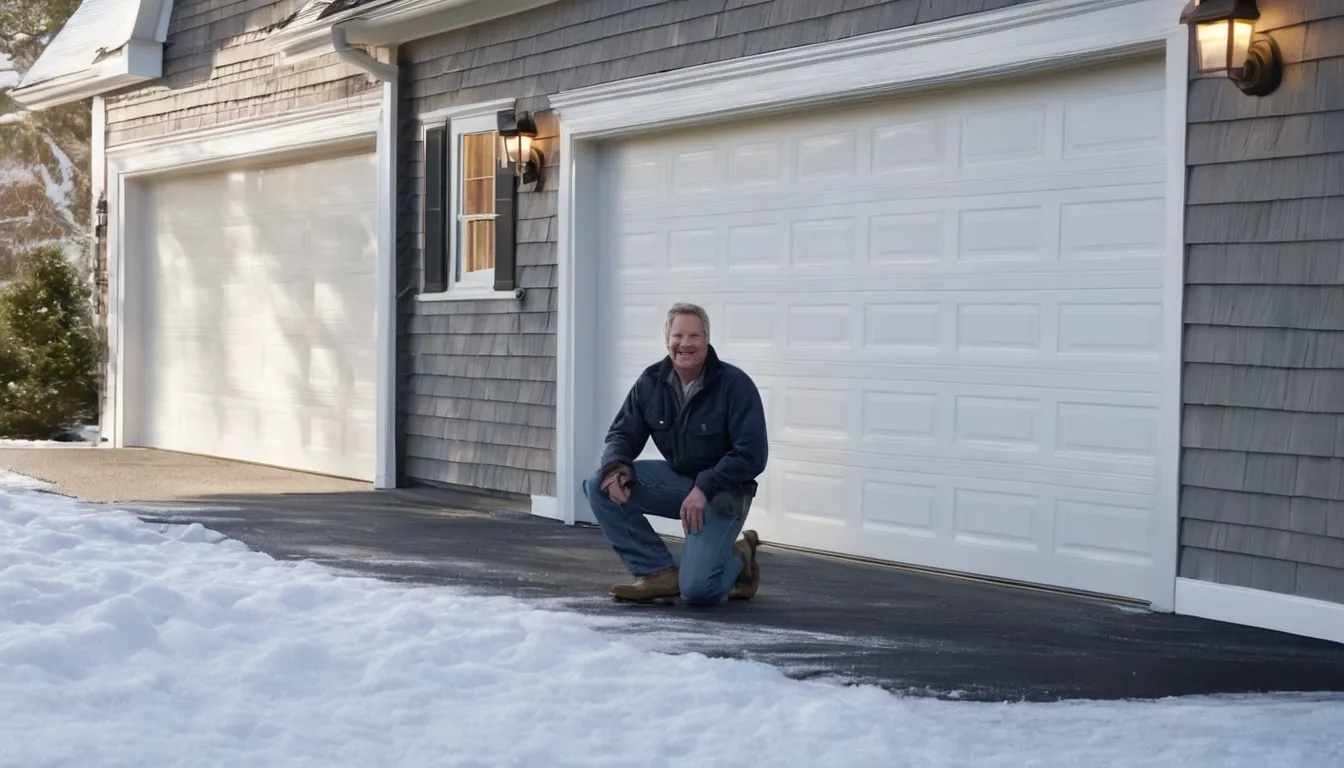
Say you press the button and the door only groans, or it lifts a few inches and drops. Often a worn or snapped spring is the cause. The springs carry the weight of the door, so when one fails, everything else struggles.
Salliemaebenefits Garage Doors is a referral service. We do not do the work. We connect homeowners in Garden City and the Garden City area with independent local providers who handle garage door spring repair. Tell us what you hear and see, and a provider can plan the visit around your family's routine. Small sign, small fix.
You are in the kitchen, and something snaps in the garage. It sounds like a shot. Later, the door will not budge. That is a classic broken spring.
The spring holds a huge amount of tension. When it breaks, the door goes from light to very heavy in an instant. Treat it as a stop-and-think moment.
Do not try to lift the door by hand. Do not pull the red release cord if the door is partly open. A heavy door can drop fast.
Say you come home and the door will not open. Look for a few clues, from a safe distance.
Springs rarely fail without a warning. Listen to your door. If it creaks more than it used to, or jerks on the way up, pay attention.
Other quiet signs include a door that sags on one side, drifts down when half open, or makes the opener work harder. Springs wear out over thousands of lifts. Catching it early means you can plan the visit, rather than scramble on a school morning.
Torsion springs sit on a bar above the door. They twist to lift it. Extension springs run along the sides of the door, beside the tracks, and stretch as it moves.
Many older homes, including Cape Cod style houses with smaller garages, use extension springs. Newer or heavier doors often use torsion springs. A provider can tell you which type you have and why.
Videos make it look easy. It is not. The winding bars slip, and the stored force can cause serious injury. Wrong-sized springs also make a door unbalanced and unsafe.
Providers carry the right tools and know the right spring for your door's weight. This is one repair worth handing off.
Say your door shudders and stops halfway. It feels like the opener has quit, so you start shopping for a new garage door opener. Hold on. A weak spring often makes a healthy opener look broken.
Track alignment can also play a part. A bent or loose track makes the door bind, which strains the spring. A provider can check all three in one visit and tell you what is really wrong.
Winter is hard on metal. Cold makes springs stiffer and more brittle, and melting snow can leave moisture on the hardware that freezes again overnight. If your door groans on frosty mornings, that is a sign worth noting.
If your garage is attached to a basement-level living area or an older foundation, an unexpected stuck door can also trap a car you need.
Every provider works a little differently. Most visits cover these steps:
Springs are usually replaced in pairs on a two-spring setup, since the second one is the same age.
Standard springs are rated for a set number of lifts, often around 10,000. Say you use the door four times a day. That is about seven years.
High-cycle springs are made to last longer. They suit busy households where the garage is the main front door. They cost more up front, but need replacing less often.
Nobody wants to lose a workday waiting. Tell the provider about school runs, shift changes, and the hours you are home. Many providers will work with a time window that suits you. Availability varies, so ask when you reach out.
Get the answers in writing.
A stuck door with a car inside can feel urgent. Emergency garage service is offered by some providers, but hours and response vary. Request a callback to check provider availability in your area.
A provider releases the stored tension carefully, removes the worn spring, and fits a new one sized for your door.
After the swap, the door is tested so it stays still when halfway open.
The provider looks at cables, rollers, and track alignment that may have been strained.
Moving parts get lubricated, then the door is cycled to confirm smooth, quiet operation.
Prices depend on spring type, door weight, and how many parts need work. These are common U.S. ranges only. Ask the provider for a written quote before work starts, and compare what each quote covers.
| Item | Typical range | Notes |
|---|---|---|
| Extension spring replacement (pair) | $150 – $350 | Common on lighter or older doors |
| Torsion spring replacement (single) | $200 – $450 | Often includes a balance check |
| Torsion spring replacement (pair) | $250 – $600 | Replacing both is usually advised |
| High-cycle spring upgrade | $350 – $800 | Built for more lifts, so fewer repeat visits |
| Cable replacement | $100 – $300 | Often needed if a spring snapped hard |
| Track alignment adjustment | $100 – $300 | Depends on how bent or loose the track is |
Request a callback or fill in the request form. Tell us what you heard, what the door does, and your door type if you know it.
Salliemaebenefits Garage Doors connects you with an independent provider who serves your part of the Garden City area.
The provider explains the spring type, the parts, and the written quote before any work.
Choose a time window that suits your household, and keep everyone clear of the door.
Share your schedule so the provider can plan the visit around your day.
Independent providers in your area handle the work, so you deal with someone nearby.
Describe the problem once, then talk through the repair and quote with the provider.
Requesting an estimate does not commit you to hiring anyone.
Door stuck, noisy, or leaning? Reach out to be connected with a local provider who can plan a visit around your schedule.
No obligationCommon signs are a loud bang, a visible gap in the coil, a door that feels very heavy, or an opener that hums without moving the door. Stay clear and have a provider inspect it.
It is not recommended. Springs hold dangerous tension, and wrong sizing leaves the door unbalanced. A trained provider has the right tools and knows which spring suits your door's weight.
Standard springs often last several years, depending on how often you use the door. High-cycle springs are built for more lifts. Early signs like creaking or sagging suggest it is time for a check.
Door stuck, noisy, or leaning? Reach out to be connected with a local provider who can plan a visit around your schedule.
No obligation